Categories
cremation Eco-Death

Nuts and Bolts! Nuts and Bolts! Dead Bodies Rule!

The Afterlife of Artificial Hips and Knees
Clark Boyd and Rob Hugh-Jones
PRI’s The World via BBC News (February 21, 2012)
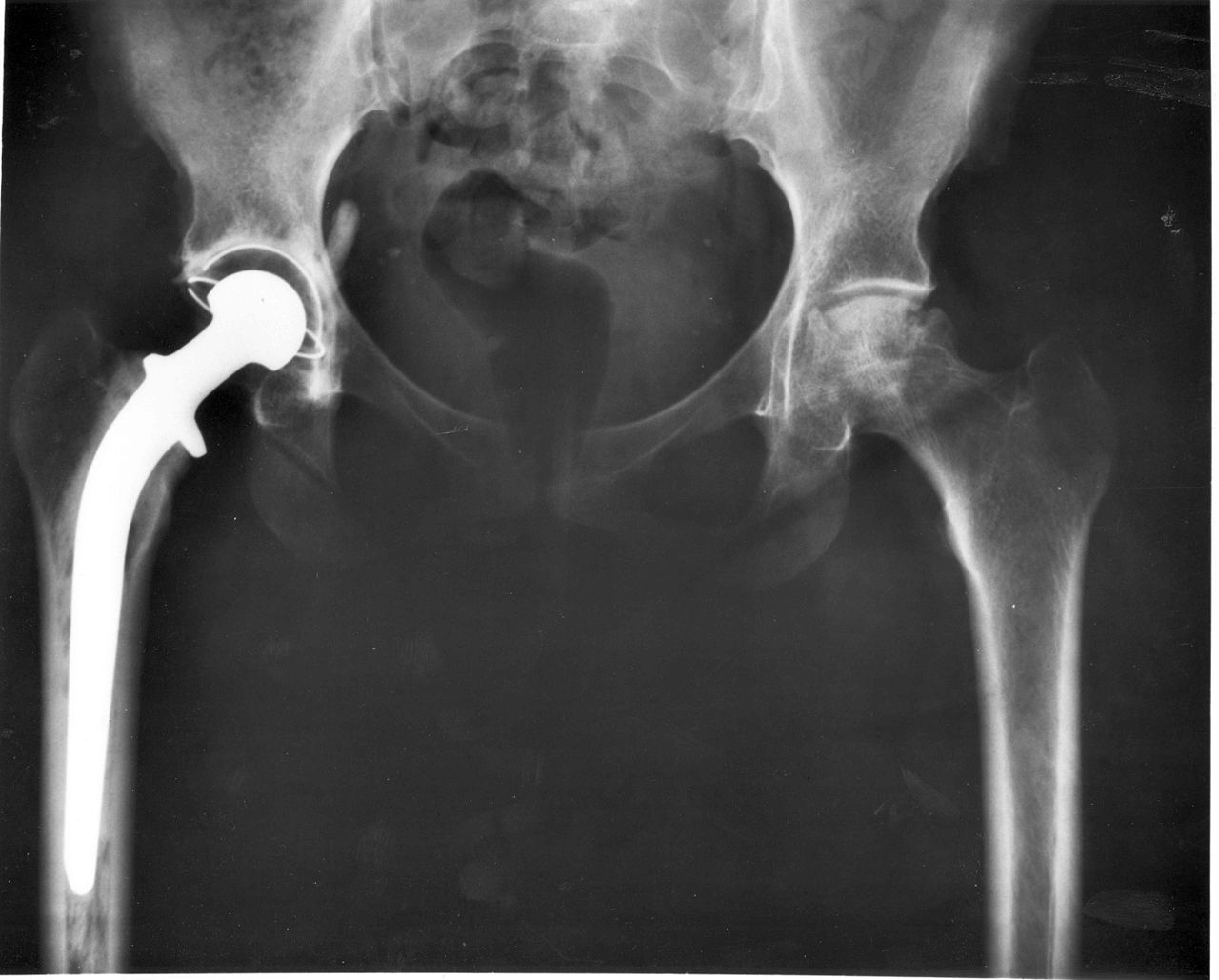
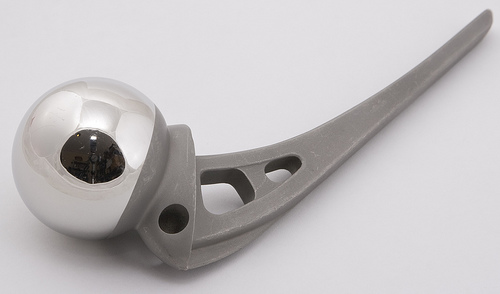
The metal used in surgical implants can be melted down and recycled after people are cremated, and these days it often is.

Long time readers of the Death Reference Desk might remember this August 2009(!) post: Reduce – Reuse – Recycle – the Dead… I mention this particular post because the BBC News and PRI’s The World radio programme just did a piece on a Dutch company that recycles metal implants used in humans.

Here’s the rub: the metal implants are recycled after an individual is cremated.

In all honesty, there isn’t much new about this technology but since the process involves dead bodies it is always fascinating.

Indeed, if you would like a full rundown on everything Eco-Death then click away. We’ve been covering this topic since Death Ref took its first humble steps.Hip Joint

There isn’t a ton of money to be made in postmortem-human-implant-metal-recycling but that is probably ok.

And who knows where the implant metal recycling market will lead. I am keeping my eye on a Detroit, MI company, Implant Recycling, in the hopes that one day Motor City will rise again by cornering the market.

That particular Renaissance would be only too fitting.

Categories
Death + Popular Culture

John Troyer Performs: 150 Years of the Human Corpse in American History

Bristol Live Open Platform (BLOP Festival)
The Arnolfini, Bristol (UK)
Saturday 25 February, 2012 11.00am – 8.00pm
£6.00 / £5.00 concessions


Full BLOP Festival Schedule
John Erik Troyer, Ph.D. performs at 2:45pm on February 25

We here at the Death Reference Desk are always full of surprises. So it should come as no shock that I, John Erik Troyer, Ph.D., will perform a short theatrical piece for the upcoming Blop Festival in Bristol, England on Saturday, February 25. The festival is being held at the Arnolfini arts centre.

I hit the stage at 2:45pm sharp!

The performance’s full title more or less sums up what happens on stage:

150 Years of the Human Corpse in American History in Under 15 Minutes with Jaunty Background Music

Not much else to say, really.

Here, however, is a more robust show description:

In 1851 American chemist Thomas Holmes invented the first reliable method for mechanically embalming dead human bodies. Holmes put his embalmed bodies on display in cities across America. Those human corpses attracted so many spectators that riots often erupted near the viewing areas.


Death, as nineteenth century humans understood it, would never be the same.


In 1972 John Erik Troyer was born, son of a funeral director and an early student of mortuary science. His life-long study of the dead body would eventually help him write a doctoral thesis entitled Technologies of the Human Corpse and assist his becoming a Doctor of Philosophy. This one-man show is a combination of all these things: a meditation on the human corpse, the untimely demise of a self-absorbed thanatologist, and it is all done in under 15 minutes. With jaunty background music.

The story of John Erik Troyer, Ph.D. is a cautionary tale of intellectual labor run amok and a hilarious comedy of necrophilic proportions.


Death, as we twenty-first century humans understand it, will never be the same.

That’s that. If you have any questions or would like to, say, book me a national tour (we can start small, you know, just the West Country at first) then here is my contact information:

John Erik Troyer, Ph.D.:
Telephone: 01225 383585
E-mail: john@deathreferencedesk.org
Twitter: @deathref

Finally, here is a video of me doing Modern Dance. The video doesn’t have anything to do with the show on February 25. Per se. But it could. If I get that National Tour! Right now, this is just shameless self-promotion. Straight up.

Categories
Death + Technology Death + the Law Death + the Web Grief + Mourning

19,000 Facebook Users Die Each Day. Here is How FB’s Memorialization Mode Works

Living Online After Death Faces Nebraska Legal Battle
BBC News (January 31, 2012)

WNYC’s On the Media radio program dedicated this entire week’s show to Facebook and its users. Per usual, it was an excellent set of stories. I was a little surprised, however, that the program didn’t discuss what happens when Facebook users die.

So let me pick-up that storyline.

Let’s roll out some numbers. The current number of Facebook users is somewhere near 845 million. The rough annual mortality rate across the planet is 8.37 deaths per 1000 individuals (this number is gleaned from the CIA World Factbook on global mortality statistics and is far from exact, so we’re dealing in broad approximations). After doing a little math, this means that over 7 million Facebook users die each year. Divide that by 365 days and you’re looking at over 19,000 Facebook users dying every day.

By comparison, 1500 people die every day across England, Scotland and Wales. In America, over 6,000 people die a day. I could go on and on.

I was already thinking this week about death and Facebook since a handful of American states are either drafting legislation to enable next-of-kin access to social media accounts, and/or the laws have already been enacted. The BBC story at the top of the page discusses proposed legislation in Nebraska. You can see short summaries of both proposed and passed legislation here and here.

Facebook anticipated this situation a few years ago and the Death Reference Desk has been covering this situation since day one. You can see of all our posts on Facebook and Death here.

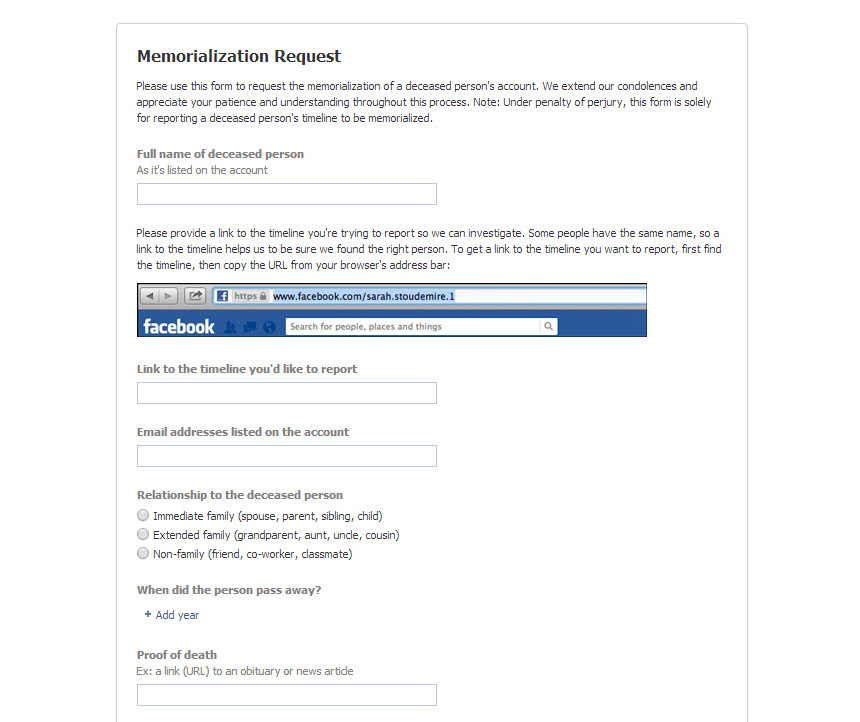
In 2009 (October 26, 2009 at 4:48pm to be exact) Facebook announced that it was now using something called Memorialization Mode for dead account holders. This Facebook blog post, Memories of Friends Departed Endure on Facebook by Max Kelly, explained how Memorialization Mode worked. Here are the key sections from the post:

We understand how difficult it can be for people to be reminded of those who are no longer with them, which is why it’s important when someone passes away that their friends or family contact Facebook to request that a profile be memorialized. For instance, just last week, we introduced new types of Suggestions that appear on the right-hand side of the home page and remind people to take actions with friends who need help on Facebook. By memorializing the account of someone who has passed away, people will no longer see that person appear in their Suggestions.


When an account is memorialized, we also set privacy so that only confirmed friends can see the profile or locate it in search. We try to protect the deceased’s privacy by removing sensitive information such as contact information and status updates. Memorializing an account also prevents anyone from logging into it in the future, while still enabling friends and family to leave posts on the profile Wall in remembrance.

So when Facebook is notified of someone’s death via the Report a Deceased Person’s Profile page then the account will be changed.

Now, I’ve never had to report a deceased person’s account (which is nice) so I don’t have any direct experience with how it works. I also can’t tell if Facebook has modified what happens to dead user accounts since the initial 2009 announcement.

Here’s the rub — at some point Facebook will require an entire department dedicated to User Mortality. At approximately 19,000 deaths a day, the situation can only be left to its own devices for so long.

If for any reason, to prevent false death notifications like this one.

Indeed, what Facebook needs is a Senior Vice President for User Mortality Affairs and the DRD Team is more than happy to take on that job, should FB’s headhunters be tooling around the Death Reference Desk.

But until that job offer arrives, we at Death Ref will continue to track how over 7 million deceased Facebook accounts are turned into ad hoc digital memorials.